

What is the difference between Stress vs Anxiety vs Trauma?
We hear these terms "stress", "anxiety", and "trauma" all the time, but what exactly is the difference? Are they different? The answer is complicated. Stress, anxiety, and trauma are all terms to describe distress, nervous system dysregulation, and symptoms that interfere with our optimal functioning. There are differences, however there are also many places where these 3 terms overlap. Read on to learn the similarities and differences between stress, anxiety, and trauma.
What is Stress?
Stress can be defined as the perceived feeling that one’s pressures are greater than one’s ability.
Stress is caused by external factors ("stressors"). Common stressors include expectations at work, familial obligations, financial constraints, relationship conflict, etc.
Stress has a negative connotation, however not all stress is bad. Some stress can actually improve our ability to focus and motivate us toward productive action. But too much stress has the opposite effect.
What is Anxiety?
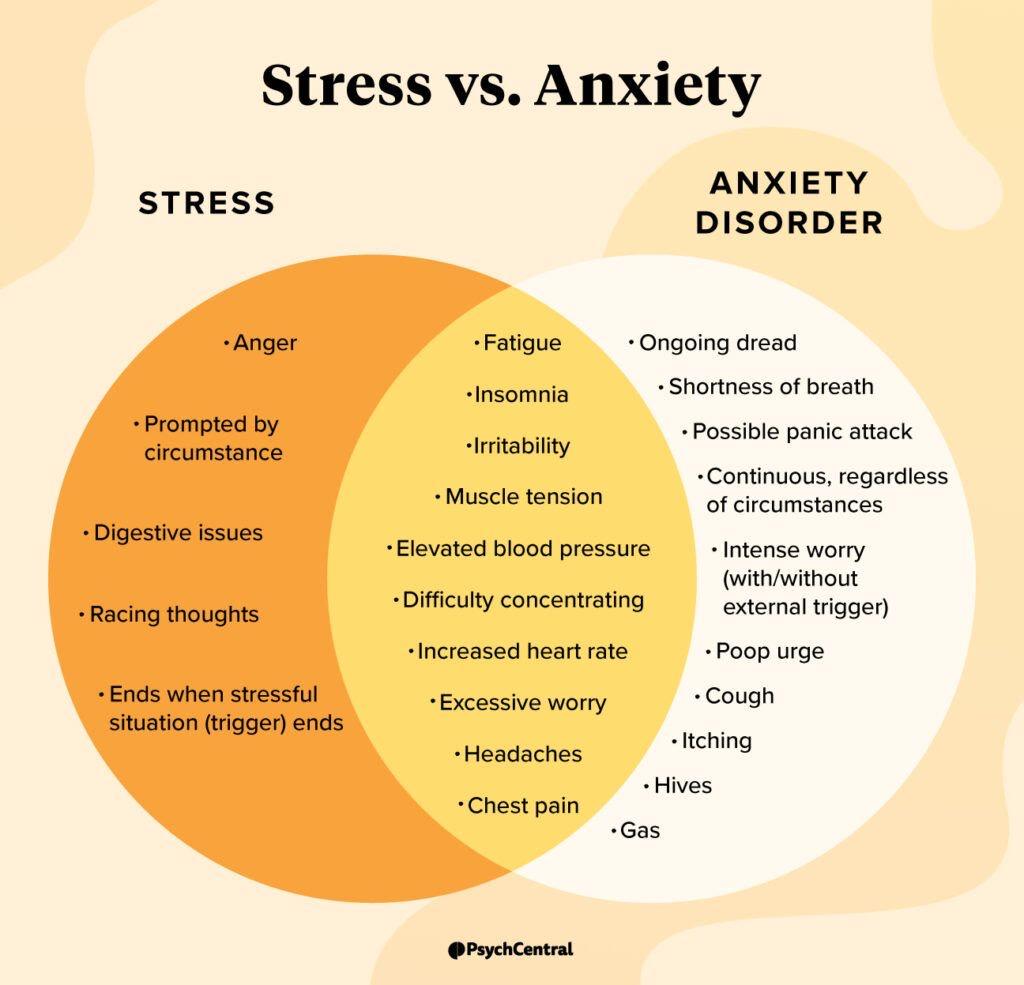
Anxiety can be defined as an emotion characterized by feelings of tension, worried thoughts, and physical changes like increased blood pressure. (American Psychological Association, 2025).
Anxiety can be caused by external factors (similar to stress), or in the absence of them.
Cognitive Symptoms
·Excessive worry, intrusive negative thoughts, catastrophizing, difficulty concentrating, feeling as though the mind goes blank, irrational fears
Physical Symptoms
·Rapid heartbeat, sweating, trembling, shortness of breath, nausea, fatigue, GI issues, muscle tension, lightheadedness, headache, insomnia, numbness
Behavioral Symptoms
·Social withdrawal/isolation, avoidance of situations or people, indecision, impulsivity, self-medication
Emotional Symptoms
·Sense of dread or impending doom, irritability, fear, agitation
What is Trauma?
Trauma can be defined as any experience that makes us feel threatened, scared for our lives or safety, humiliated, rejected, or brutally hurt. Trauma can also be caused by witnessing such an experience.
Types of Trauma
Big T, little t:
·Terms that refer to major events threatening life, serious injury, or physical safety (Big T) or persistent microaggressions or undermining of one’s boundaries and sense of emotional safety (little t)
Ethnic and Race-based
·Race-based Traumatic Stress Injury (RBTSI) is defined as any perceived race-related stress or trauma that is memorable, comes as a surprise, is outside your control, or causes emotional pain (Carter, 2007)
·Comes in the forms of microaggressions, discriminatory practices, and hostile harassment.
Relational
·Perpetrated by either people we know and trust, authority figures, or just other humans.
Childhood/Complex Trauma
“Complex trauma describes both children’s exposure to multiple traumatic events – often of an invasive, interpersonal nature – and the wide-ranging, long-term effects of this exposure” (The National Child Traumatic Stress Network, www.nctsn.org)
·Particularly damaging because it often involves caregivers or authority figures, impacting attachment. It also changes the brain structure while it is still in development.
·The cascading effect
·Complex Trauma has been found to result in: social isolation, difficulty localizing skin contact, problems knowing and describing internal states, distinct alterations in states of consciousness, substance abuse, acoustic and visual perceptual disturbances, and shame and guilt (Cook, 2005)
·ACE Study
Found a strong link between Adverse Childhood Experiences (ACE) and negative outcomes in adulthood, including chronic diseases, mental health problems, increased prevalence of risky behaviors.
·7 domains of impairment in childhood trauma
Attachment, Biology, Emotional Regulation, Dissociation, Behavioral Control, Cognitive Processes, Self-Concept
Single Incident/Acute
·Examples: a natural disaster, a car accident, assault
Secondary/Vicarious Trauma
·Trauma induced by exposure to other people’s pain
Post-Traumatic Stress Disorder (PTSD)
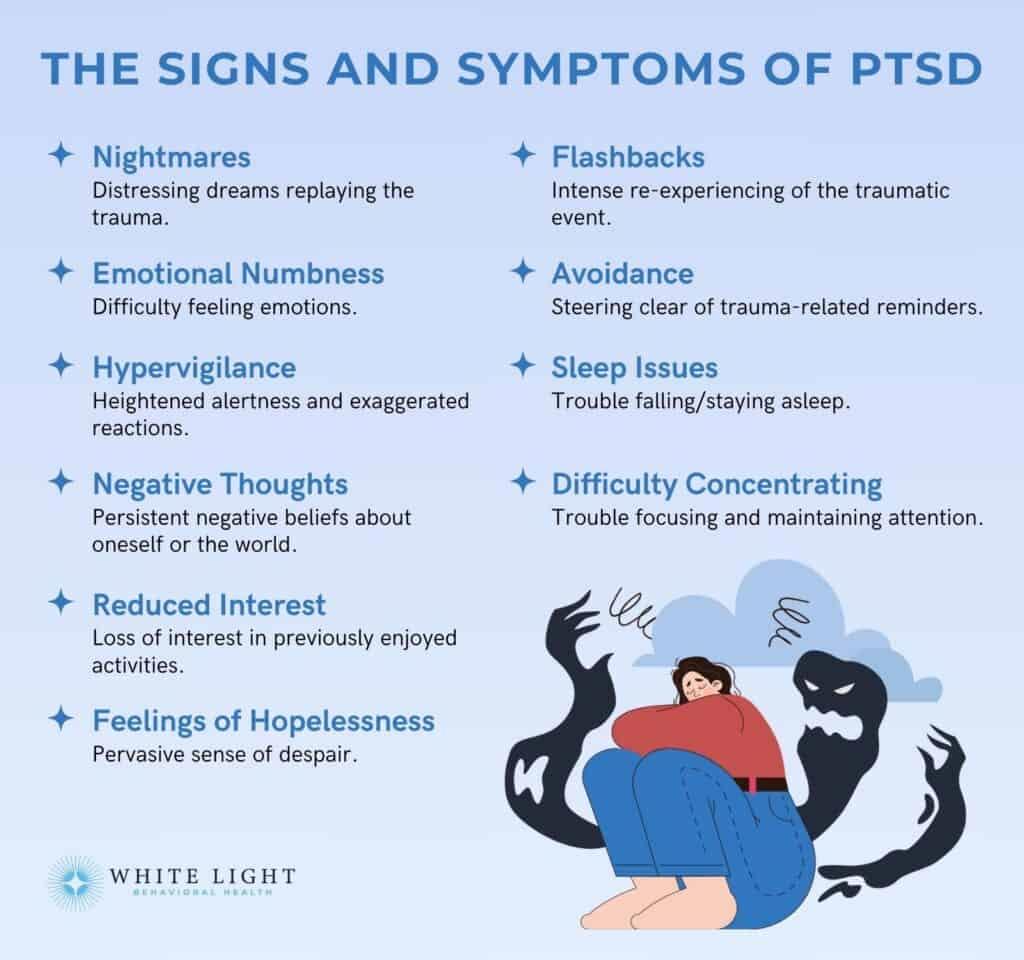
PTSD is the diagnosis used in the Diagnostic and Statistical Manual for Mental Health Disorders (DSM). This is the text that all mental health professionals (psychiatrists, social workers, psychologists, counselors) use. The current version (DSM-5-TR) defines PTSD as
A. Exposure to actual or threatened death, serious injury, or sexual violence
B. Presence of the following symptoms:
- Recurrent, involuntary, and intrusive distressing memories of the traumatic event(s).
- Recurrent distressing dreams related to the traumatic event(s).
- Dissociative reactions (e.g., flashbacks)
- Distress at exposure to triggers
- Marked physiological reactions to internal or external cues that symbolize or resemble an aspect of the traumatic event(s).
C. Persistent avoidance of triggers
D. Negative alterations in cognitions and mood associated with the traumatic event(s):
- Inability to remember an important aspect of the traumatic event(s)
- Persistent and exaggerated negative beliefs
- Persistent blame of himself/herself or others.
- Persistent negative emotional state
- Markedly diminished interest or participation in significant activities.
- Feelings of detachment or estrangement from others.
- Persistent inability to experience positive emotions
E.Marked alterations in arousal and reactivity associated with the traumatic event(s):
- Irritable behavior and angry outbursts
- Reckless or self-destructive behavior.
- Hypervigilance.
- Exaggerated startle response.
- Problems with concentration.
- Sleep disturbance
Specify whether with dissociative symptoms such as Depersonalization or Derealization
*PTSD is not a pathology. It is a reasonable and protective response to trauma.
References
American Psychological Association (APA). www.apa.org
Carter, R.T. (2007) “Racism and psychological and emotional injury: Recognizing and assessing race-based traumatic stress”. The Counseling Psychologist 35, 13-105.
Cook A., Spinazzola, J. et al. (2005). Complex Trauma in Children and Adolescents. Psychiatric Annals. (35)5, 390-398.
Diagnostic and Statistical Manual of Mental Disorders (5-TR). American Psychiatric Association. (2022).
The National Child Traumatic Stress Network, www.nctsn.org
The Adverse Childhood Experiences (ACE) questionnaire, https://www.traumainformedcare.chcs.org/resource/original-ace-questionnaire/